Crawl space mold removal in Tallahassee runs $2,500–$9,000. Rolling Red Hills terrain makes raised construction far more common here than in flat peninsular Florida, and crawl mold attacks the floor structure while the rooms above look fine.
Why this city has crawl spaces at all, what actually gets damaged, and why encapsulation is the wrong first move.
Rolling ground, raised houses
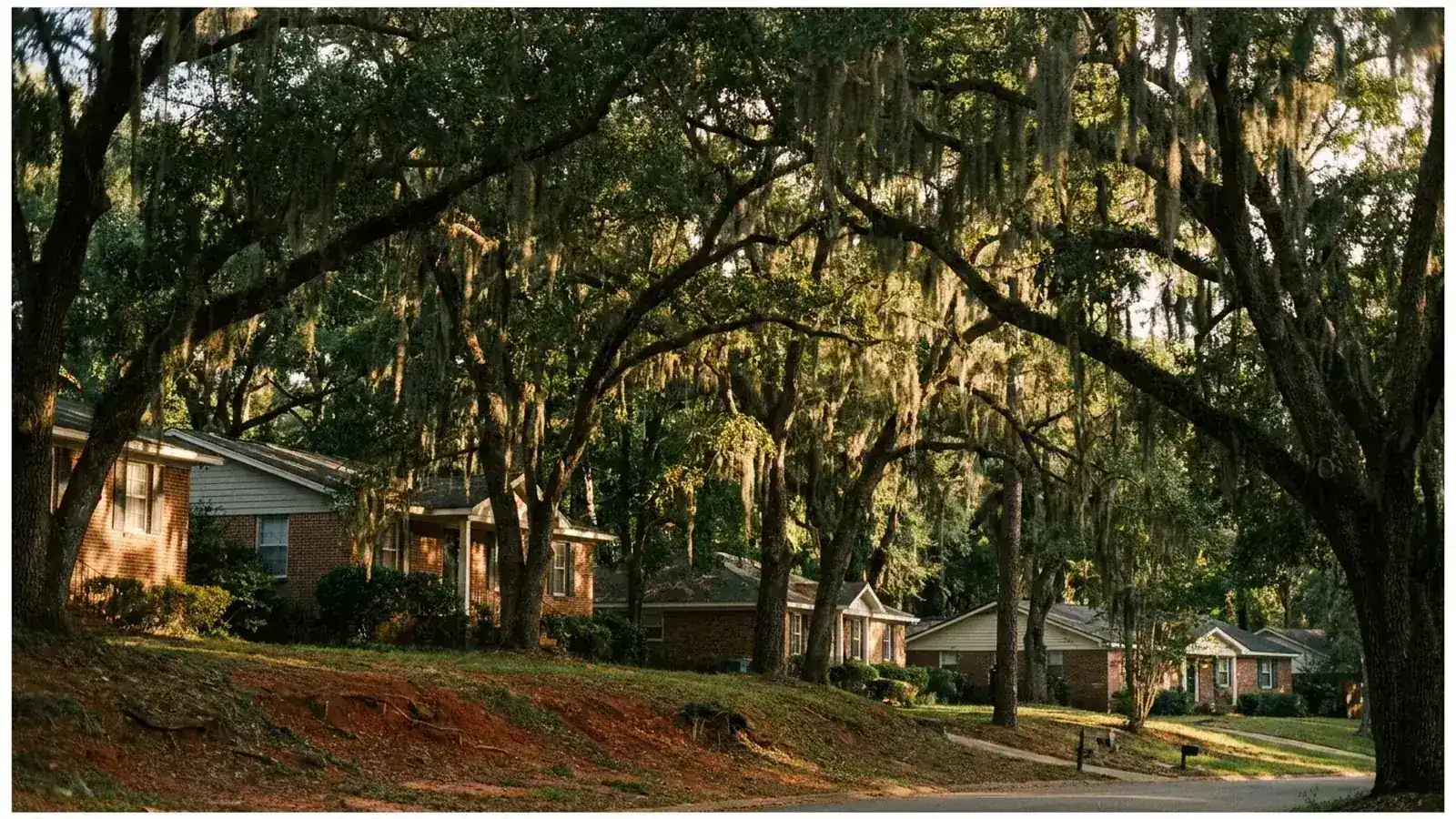
Most of Florida is flat and builds on slab. Tallahassee sits in the Red Hills, and building a level house across genuinely sloping ground favours raising it on piers and beams instead. The result is a housing stock with far more crawl spaces than the state average, and a set of problems that most Florida mold advice does not address.
Those crawls sit in shade, under a canopy, in a region taking nearly 59 inches of rain a year. They are the dampest part of many properties and the least visited.
What is actually at risk
This is the difference that matters. In a slab house, moisture damages finishes: flooring, baseboards, drywall. Unpleasant and visible.
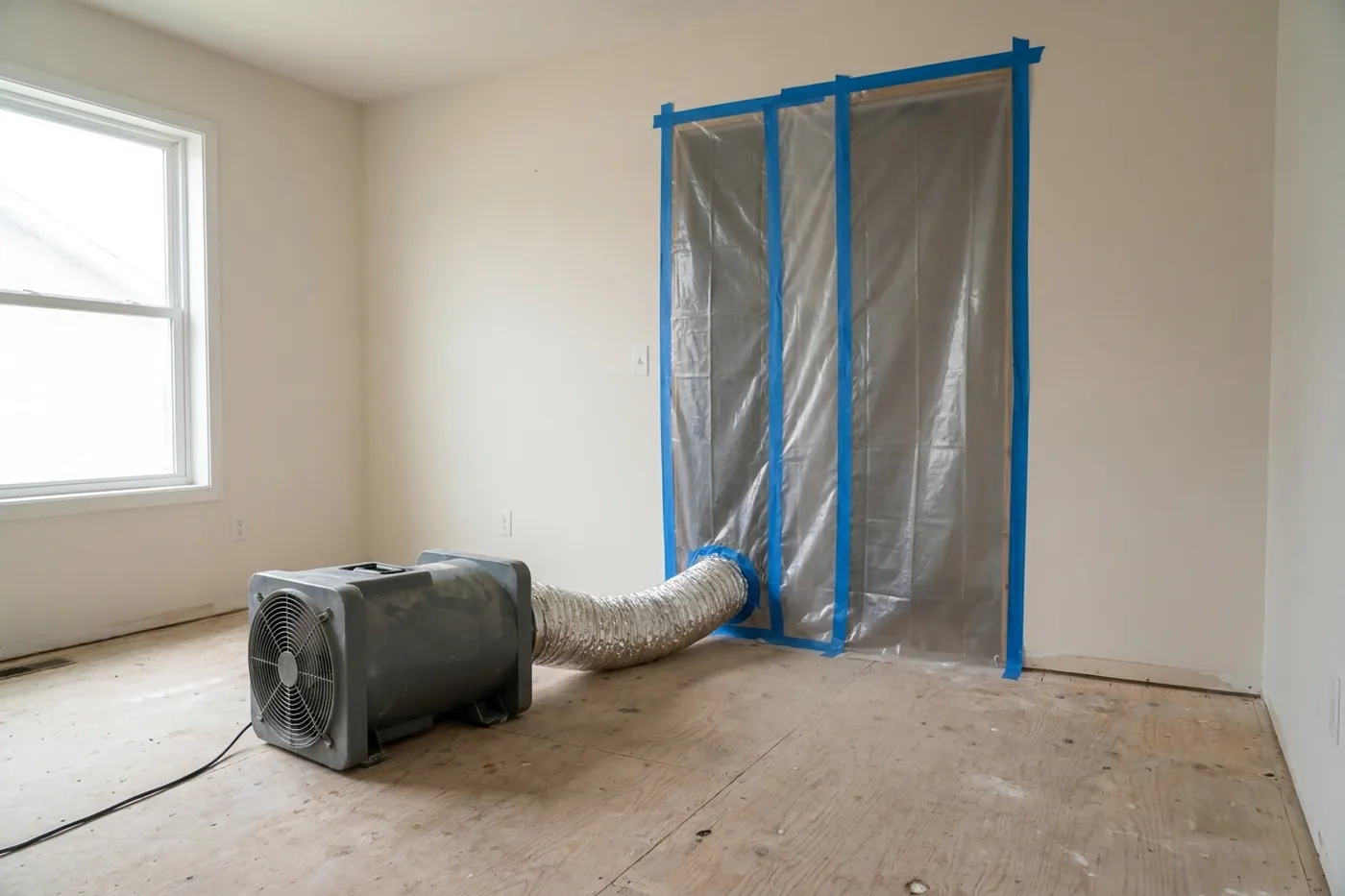
In a raised house, the moisture is beneath the floor structure, so what it attacks is the structure itself: joists, subfloor, sill plates, beams. Those are load-bearing. The rooms above can look immaculate while the frame underneath deteriorates, which is precisely why crawl problems are typically found years after they began, usually during a sale, by somebody else's inspector.
What the work costs
| Scope | What it covers | Typical range |
|---|---|---|
| Clean and treat, limited area | HEPA work on affected framing, source corrected | $2,500–$4,000 |
| Full crawl remediation | Whole subfloor area, contaminated debris removed | $4,000–$6,500 |
| Add vapour barrier | Ground sheeting, sealed and secured | $1,500–$3,000 |
| Add dehumidification | Unit sized to the space, with drainage | $1,200–$3,000 |
| Structural repair | Where framing has lost integrity: a carpentry scope | Quoted separately |
Why encapsulation is the wrong first move
Sealing a crawl is widely sold and frequently sold too early. A barrier over ground that is still taking on water, or a crawl with a drainage problem nobody corrected, traps moisture rather than excluding it, and now it is behind plastic where you cannot see it.
The order that works: find where the water comes from, correct it, remediate what grew, then decide whether a barrier and dehumidification earn their cost. Any company that leads with encapsulation before establishing the water source is selling a product rather than solving a problem.
Crawl spaces, in plain terms
What does crawl space mold removal cost in Tallahassee?
Crawl work runs $2,500-$9,000 depending on clearance, how much framing is affected, and whether a vapour barrier and dehumidification go in as part of the job. Low clearance costs more to work in than a tall crawl, regardless of area.
Why do I have a crawl space when most of Florida is on slab?
Because Tallahassee is in the Red Hills, on genuinely rolling terrain rather than flat peninsular ground. Building across a slope favours raised construction, so crawl spaces are far more common here than they are further south in the state.
What does mold in a crawl space actually damage?
The floor structure: joists, subfloor, sill plates and beams. Unlike a slab home where damage shows in finishes, crawl problems attack the frame itself while the rooms above look perfectly fine, which is why they are often found late.
Is encapsulation always the answer?
Encapsulation isn't always the answer, and it is oversold. Sealing a crawl that is still taking on ground water or has a drainage problem traps the moisture rather than removing it. Correct the water first, then decide whether a barrier and dehumidification are worth it. Sequence matters more than the product.
How would I know without going under there?
Cupping floors, a musty smell strongest at floor level in one room, or noticeably cold and soft flooring above the affected area. But those are late signs. If your house is raised and nobody has been underneath in a decade, that on its own is a reason to look.
Get a Tallahassee remediation quote
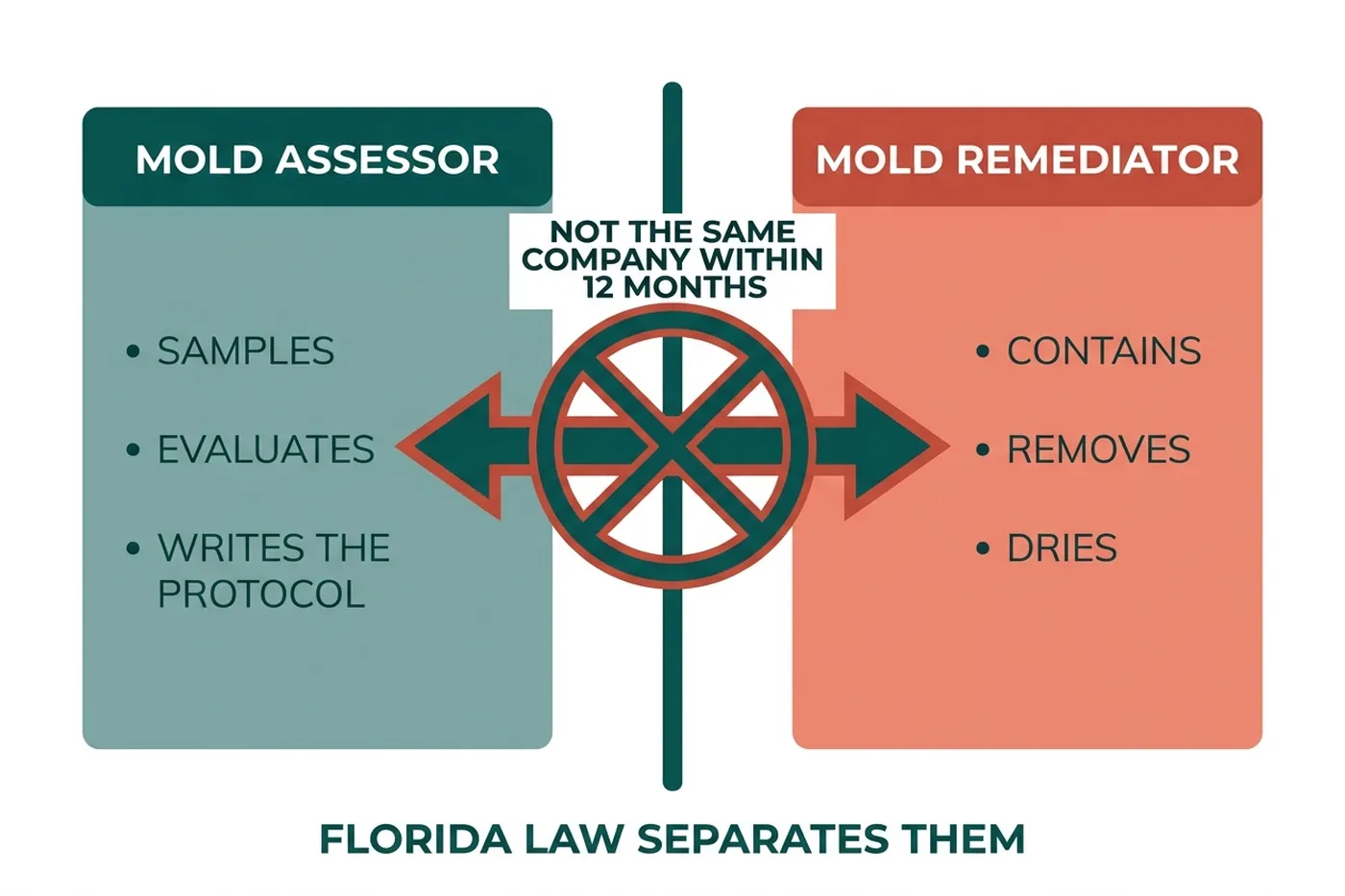
If you already hold an assessor’s protocol, say so, and the remediator can quote directly against it. If you do not, describe what you have found and roughly how large an area it covers. Ten square feet is the line Florida draws, and knowing which side of it you are on changes what you need next. You get a call back from a local specialist who serves Tallahassee.